Solving ocean crises by unifying and empowering global communities!sm
With the help of donors like you, OpenOceans Global is developing solutions to save our ocean.
With the help of donors like you, OpenOceans Global is developing solutions to save our ocean.
Title search: ✖
|
Show All (49)
General (8) OpenOceans News (2) OPP Initiative (1) Plastic Treaty (9) Press Releases (2) Solutions (8) Trash and Plastics (24) White Papers (1)
New Report Provides Global Criteria to Address Problematic, Unnecessary, and Avoidable Plastic Products
Corporate Plastic Pollution Scorecard provides an in-depth review of the plastic packaging practices
|
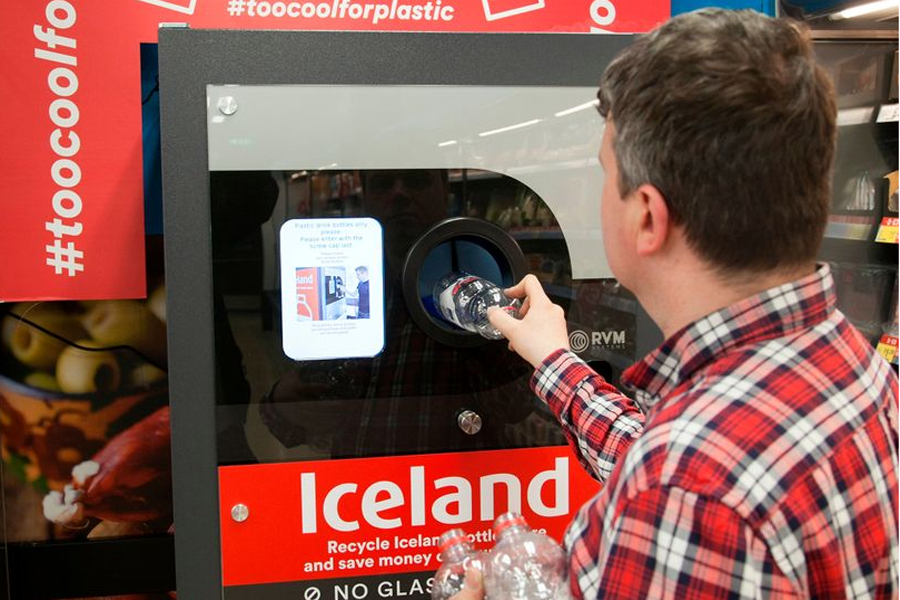
Deposit return systems have the most impact in increasing aluminum recycling rates
Image credit: Tomra If Coke switched to aluminum, the recycling impact could be significant, since aluminum is infinitely recyclable. According to a January 31, 2025, story in Waste Advantage, “the implementation of a national beverage container deposit return system (DRS - aka bottle bill) would result in the recycling of nearly 815,000 more tons of aluminum used beverage cans (UBCs). This would raise the national UBC recycling rate to 85% – an increase of 48 percentage points over the rate in 2021.” The data comes from a report by the Container Recycling Institute (CRI) titled “Improving Efficiency and Sustainability in Aluminum Beverage Can Recycling.” CRI says that the recycling of aluminum saves more than 90% of the energy required to make the same amount of aluminum from virgin materials. The report indicates that “aluminum material losses at curbside recycling, materials recovery facilities (MRFs), and secondary melters are financially and environmentally significant enough to warrant discussion on new and expanded methods of aluminum beverage can recycling, sorting, processing, and even design.” CRI concludes that only 55% of aluminum cans are put in curbside bins or through a deposit return system, available only in 10 states. “The economic value of the more than 1 million tons of wasted aluminum beverage cans in 2021 was approximately $1.6 billion.” The report suggests the following steps.
|