Solving ocean crises by unifying and empowering global communities!sm
With the help of donors like you, OpenOceans Global is developing solutions to save our ocean.
With the help of donors like you, OpenOceans Global is developing solutions to save our ocean.
Title search: ✖
|
Show All (49)
General (8) OpenOceans News (2) OPP Initiative (1) Plastic Treaty (9) Press Releases (2) Solutions (8) Trash and Plastics (24) White Papers (1)
New Report Provides Global Criteria to Address Problematic, Unnecessary, and Avoidable Plastic Products
Corporate Plastic Pollution Scorecard provides an in-depth review of the plastic packaging practices
|
Plastic-lined cartons: a new roadblock to recycling paper
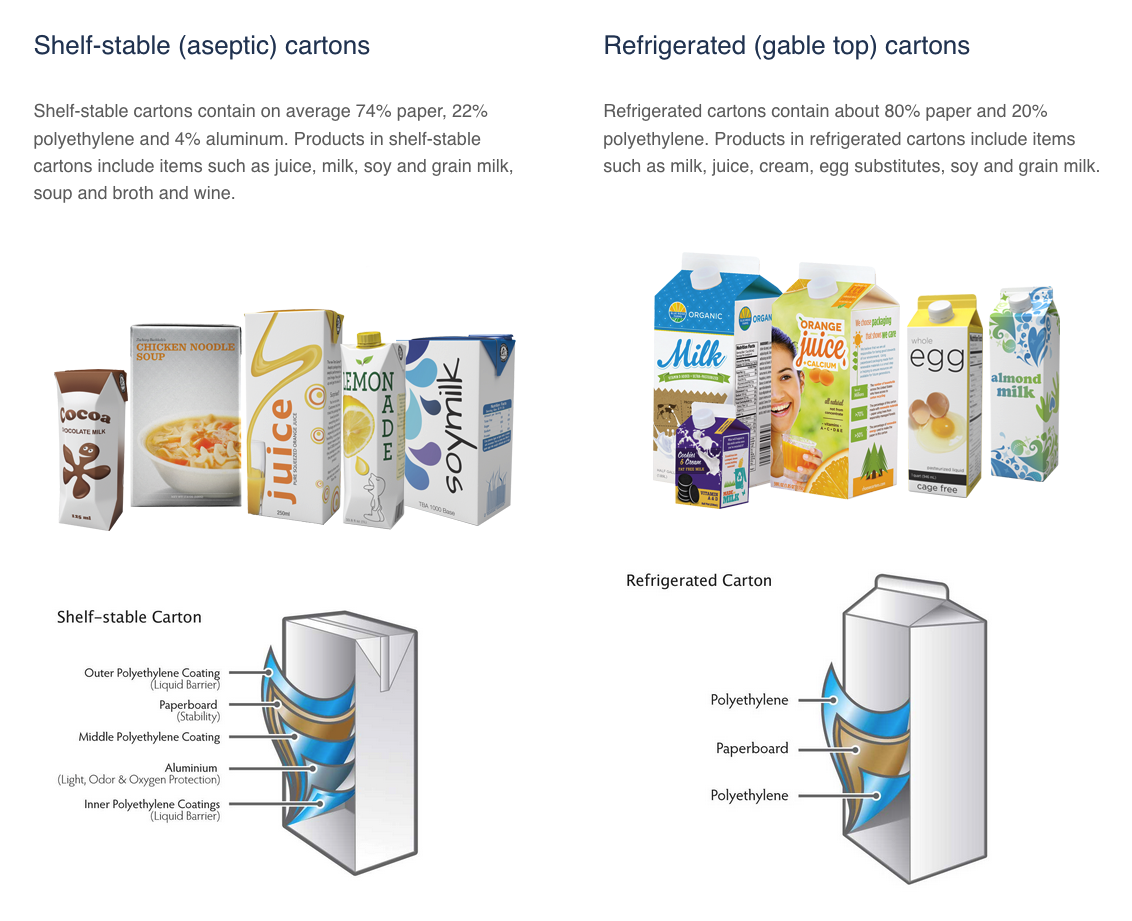
Two types of food and beverage cartons: non-refrigerated and refrigerated. Image credit:Carton Council of Canada While concerns about the limited amount of plastic that is recycled or can be recycled continue to fester, plastic is inhibiting recycling in a new way: contamination of paper waste designated for recycling. Food and beverage cartons are made mainly from paper; they also have thin layers of polyethylene (plastic) and sometimes aluminum. Milk and milk alternatives, juice, and soup/broth cartons are just some of the products packaged in cartons. In the past, milk cartons and similar types of food and beverage containers have been considered recyclable. However, the Los Angeles Times on December 23, 2025, reported that beverage cartons from California have been “illegally exported to Malaysia and Vietnam as ‘recycled’ mixed paper, violating international law.” Milk cartons may lose their recycling symbol As a result, California milk cartons may lose their recycling symbol. This will threaten their existence since “without a recycling label, carton manufacturers can’t legally sell their products in California, starting in 2032 under the state’s strict packaging laws.” That law, SB54, calls for all single-use packaging to be recyclable or compostable by 2032. Waste Management, one of the largest waste companies in the U.S., notified the state that it would no longer pull cartons out of the waste stream for recycling at its Sacramento facility. Instead, they will go to the landfill. The decision came following concerns that “cartons — even in small amounts — could contaminate valuable material, such as paper, leading them [importing countries] to reject the imports.” Food and beverage cartons are still collected and sorted for recycling in most of California. A representative for the National Carton Council, a packaging trade association, saw it as “a temporary end-market adjustment.” Canadian packaging association says cartons are still recyclable The Carton Council of Canada, another packaging trade group, confidently asserts on its web page in a headline that “Cartons are recyclable!” Their assessment of the product is as follows: “Contrary to what some may think, cartons are not wax-coated. What you may see as wax on a carton is actually a thin layer of polyethylene (plastic). Made mainly from paper, a renewable resource from responsibly managed forests, they can be recycled into new products. The long, bleached, virgin fibers from which cartons are made are a highly sought-after resource in the manufacturing of new paper-based products.” The Canadian group has a Cartons 101 page on its website that shows the two types of cartons in question and their composition.
New report claims 30% bale contamination from cartons Information in a December 2, 2025, report by The Last Beach Cleanup and Basel Action Network contradicts the Carbon Council of Canada’s assessment of recyclability. It says, “U.S. paper bales are known by the recycling industry to include 30% contamination of plastic and other non-paper materials … The pollution resulting from plastic waste, including mixed plastic and paper waste imports, has been proven to cause toxic chemicals such as dioxin to enter the food supply and create widespread harm to human health and the environment.” The report also lists applicable international law and the concerns of countries that have been accepting paper waste but find it is contaminated with plastic. |