Solving ocean crises by unifying and empowering global communities!sm
With the help of donors like you, OpenOceans Global is developing solutions to save our ocean.
With the help of donors like you, OpenOceans Global is developing solutions to save our ocean.
Title search: ✖
|
Show All (49)
General (8) OpenOceans News (2) OPP Initiative (1) Plastic Treaty (9) Press Releases (2) Solutions (8) Trash and Plastics (24) White Papers (1)
New Report Provides Global Criteria to Address Problematic, Unnecessary, and Avoidable Plastic Products
Corporate Plastic Pollution Scorecard provides an in-depth review of the plastic packaging practices
|
For leaders: A blueprint to lead a transition to nature-compatible materials
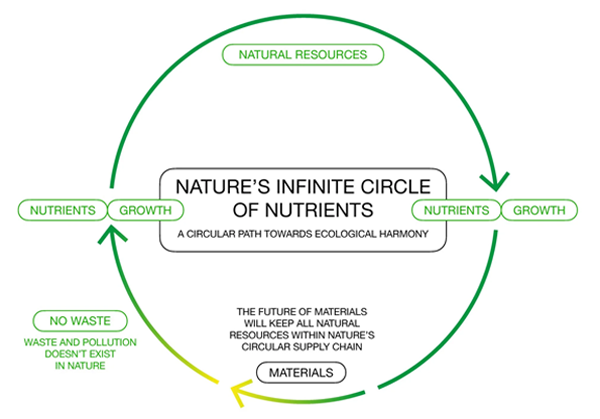
A NEW MODEL OF CIRCULARITY. Nature has always been circular, with no waste whatsoever. Everything, at the end of its life, becomes a nutrient for the next stage of growth. Imagine if we could work with Nature’s circularity; borrowing nutrient resources to make useful materials but never adding toxic chemicals or modifying those nutrients so they can never return to Nature safely. Image credit: A Plastic Planet A Plastic Planet has developed Ten Beliefs as a strategic lens for understanding why plastic pollution is not just an environmental issue but a systemic challenge touching supply chains, consumer behavior, public health, and long-term economic resilience. For leaders navigating sustainability commitments, regulatory pressure, and shifting market expectations, this framework clarifies the deeper forces shaping the global transition away from petrochemical dependence. These are the Ten Beliefs (slighty simplified from the original):
This perspective is valuable because it reframes plastic not as a narrow waste management problem but as a catalyst for rethinking how materials, business models, and policy systems must evolve. By grounding the conversation in science, economics, and societal trends, the Ten Beliefs help executives anticipate regulatory shifts, identify innovation opportunities, and align corporate strategy with emerging global norms. In short, they offer a forward-looking blueprint for organizations seeking to lead, not follow, in the transition to safer, circular, and nature-compatible materials. |